

Introduction
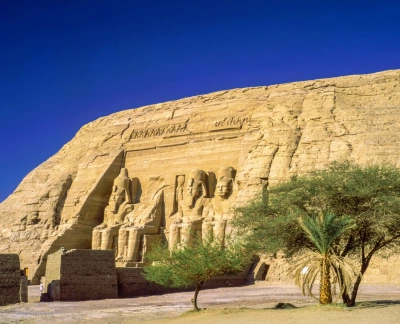
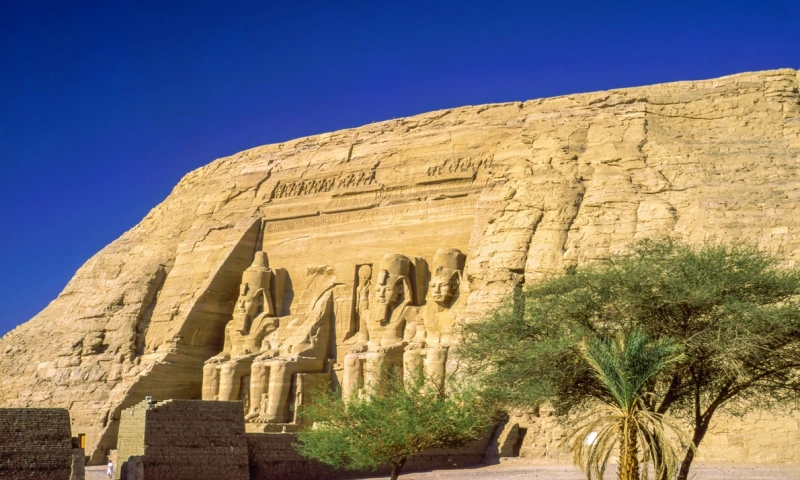
magine standing before four enormous statues carved directly into a sandstone cliff, each watching over the desert as it has for more than 3,000 years. This is the unforgettable first impression of the abu simbel temples, among the most remarkable monuments of ancient Egypt.
Located in southern Egypt, near the shores of Lake Nasser, these magnificent temples were built during the reign of Pharaoh Ramesses II. They are celebrated for their monumental architecture, fascinating history, and extraordinary relocation during the twentieth century.
This travel guide explores the Great Temple, the smaller temple dedicated to Nefertari, and the famous solar alignment phenomenon. You'll also discover practical tips for visiting, including transportation from Aswan and the best time to explore.
Whether you're interested in Egyptian history or planning your first visit, this guide will help you understand what makes Abu Simbel special. For a broader Egyptian adventure, explore Volkena's Egypt Travel Packages.
Table of content:
Where Are the abu simbel temples Located?
Abu Simbel is situated in southern Egypt's Aswan Governorate, near the Sudanese border. The temples stand on the western shore of Lake Nasser, surrounded by striking desert scenery.
Originally carved into cliffs beside the Nile, the monuments now occupy a carefully reconstructed site overlooking the lake. Their present position is the result of one of the world's most ambitious archaeological preservation projects.
How Far Is Abu Simbel from Aswan?
Abu Simbel is approximately 280–290 kilometers south of Aswan, making it a popular destination for travelers staying in the city.
The journey by road generally takes around three to four hours each way, depending on transportation arrangements and conditions.
Because of the distance, many visitors begin their journey early in the morning to allow enough time to explore both temples comfortably.
Aswan itself offers several remarkable attractions, including Philae Temple, Elephantine Island, and the Unfinished Obelisk. Before planning your journey south, explore Volkena's Aswan Attractions for more sightseeing ideas.
What Is the History of the Abu Simbel Temples?
The temples were commissioned by Ramesses II during Egypt's Nineteenth Dynasty in the thirteenth century BCE.
Their construction reflected the pharaoh's political authority, religious beliefs, and influence in ancient Nubia. Both monuments were carved directly into the rock, creating magnificent façades and elaborate interiors.
Who Built the Great Temple of Ramesses II?
The Great Temple was commissioned by Ramesses II, one of ancient Egypt's most powerful and celebrated rulers.
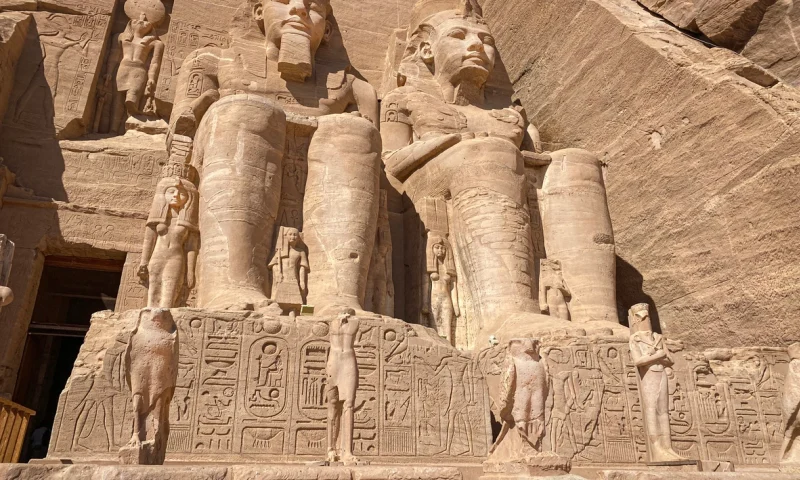
Its entrance is dominated by four colossal seated statues of the king, each approximately 20 meters tall. One statue lost much of its upper section in an ancient earthquake, and its fallen fragments remain visible near the entrance.
Inside, visitors encounter a series of chambers decorated with impressive carvings. These reliefs depict religious ceremonies, royal achievements, and scenes associated with military campaigns, including the Battle of Kadesh.
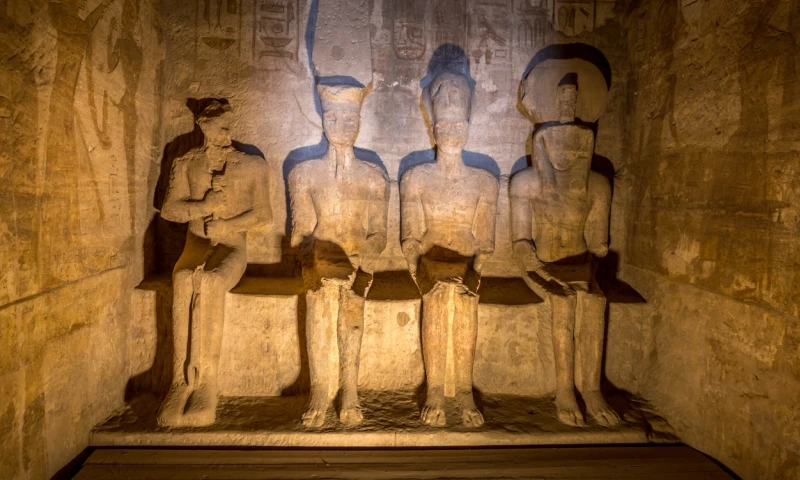
The temple was dedicated to Amun-Ra, Ra-Horakhty, Ptah, and the deified Ramesses II.
Why Was the Small Temple Dedicated to Nefertari?
Beside the Great Temple stands a smaller monument dedicated to the goddess Hathor and Queen Nefertari, the Great Royal Wife of Ramesses II.
Its façade features six standing statues representing the royal couple. Remarkably, the queen's statues are approximately the same height as those of the king, an unusual honor in ancient Egyptian monumental art.
The temple's interior includes decorative scenes celebrating the queen and her relationship with Hathor.
For visitors interested in royal history and ancient Egyptian craftsmanship, Volkena's Valley of the Kings Tombs introduces another fascinating collection of royal monuments.
Why Were the abu simbel temples Relocated?
One of the most extraordinary chapters in Abu Simbel's history began in the 1960s, during the construction of the Aswan High Dam.
The project created Lake Nasser, whose rising waters threatened to submerge numerous ancient Nubian monuments, including the two temples.
Rather than allowing these historic structures to disappear beneath the water, Egypt and the international community launched an ambitious rescue effort supported by UNESCO.
How Were the Temples Moved?
Between 1964 and 1968, specialists carefully dismantled the temples into large stone blocks.
Each section was numbered, transported, and reconstructed at a new site approximately 65 meters higher and 180 meters farther inland.
The operation required exceptional engineering precision to preserve the temples' appearance, interior spaces, and orientation.
Visitors today can admire the reconstructed monuments without immediately realizing that their enormous rock façades were moved from their original location.
Why Are They a UNESCO World Heritage Site?
Abu Simbel forms part of the UNESCO World Heritage property known as the Nubian Monuments from Abu Simbel to Philae, inscribed in 1979.
The international rescue campaign demonstrated how countries could cooperate to protect irreplaceable cultural heritage.
For travelers interested in the broader history of Egyptian monuments, Volkena's Egypt Travel Guide offers more information about exploring the country's ancient heritage.
What Makes the great temple of ramesses ii So Special?
The Great Temple is remarkable not only for its size but also for the extraordinary planning behind its construction.
Its façade, colossal statues, decorated halls, and inner sanctuary demonstrate the artistic and architectural achievements of ancient Egyptian builders.
What Can You See Inside the Great Temple?
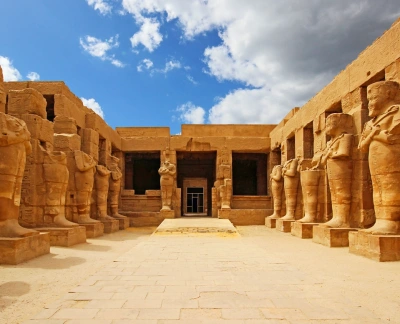
Beyond the monumental entrance, visitors pass into a large hall lined with standing statues of the king represented in association with Osiris.
The walls feature intricate carvings illustrating royal victories, offerings to the gods, and religious ceremonies.
Farther inside lies the sanctuary, where four seated statues represent Amun-Ra, Ra-Horakhty, Ptah, and Ramesses II.
The arrangement of these interior spaces creates one of the temple's most fascinating features.
What Is the Abu Simbel Sun Festival?
Twice each year, around February 22 and October 22, sunlight enters the Great Temple and travels through its halls to illuminate three sanctuary statues.
The figures of Amun-Ra, Ra-Horakhty, and Ramesses II receive sunlight, while Ptah remains in shadow.
This remarkable solar phenomenon highlights the astronomical and architectural knowledge of ancient Egyptian builders.
The event attracts visitors eager to witness the sunlight reaching the sanctuary, although crowds can be considerably larger than usual.
If you're planning to discover more of Egypt's temples and historical landscapes, Volkena's Egypt Nile Cruises provide inspiration for exploring the Nile Valley.
How Can You Visit the abu simbel temples from Aswan?
Visiting Abu Simbel from Aswan is one of the most popular ways to experience this extraordinary archaeological site.
Although the temples are relatively remote, several transportation options make them accessible to travelers.
How Can You Get to Abu Simbel?
Travelers commonly reach Abu Simbel through organized road excursions or private transportation from Aswan.
The drive takes approximately three to four hours each way, making an early departure useful.
Flights between Aswan and Abu Simbel may also be available, depending on current airline schedules.
Check transportation arrangements, road conditions, and local travel requirements before departure.
How Much Time Should You Spend at Abu Simbel?
Allow approximately two to three hours to explore both temples, admire their façades, examine interior decorations, and enjoy the surrounding views.
Visitors with a particular interest in archaeology or photography may appreciate additional time.
The temples are also impressive from outside, where the monumental statues contrast beautifully with the lake and desert landscape.
What Should You Know Before Visiting?
Bring comfortable walking shoes, drinking water, sunglasses, and sun protection.
Opening hours, admission arrangements, and photography rules may change, so check official visitor information before traveling.
If you plan to explore more ancient monuments elsewhere in Egypt, Volkena's Luxor Sightseeing introduces another remarkable destination filled with temples and royal history.
When Is the Best Time to Visit the abu simbel temples?
The most comfortable period for visiting Abu Simbel is generally from October through April, when conditions are more pleasant for outdoor sightseeing.
Winter mornings can be cool, while the afternoon sun remains strong in the open desert landscape.
Visiting early in the day is often a practical choice, especially during warmer months.
Travelers interested in the solar alignment should consider February 22 or October 22, but advance planning is important because these occasions attract larger numbers of visitors.
For a relaxed experience, allow enough time to appreciate both temples rather than rushing through the site.
Abu Simbel is more than a stop on an Egyptian itinerary. It offers an extraordinary encounter with ancient architecture, royal ambition, and the international effort to preserve world heritage.
Travelers planning a longer regional journey can also explore Volkena's Multi Country Tours for additional travel inspiration.
FAQs
1. Why Are the abu simbel temples Famous?
They are famous for their colossal statues, rock-cut architecture, remarkable relocation, and twice-yearly solar alignment phenomenon.
2. Who Built the Abu Simbel Temples?
Pharaoh Ramesses II commissioned both temples during Egypt's Nineteenth Dynasty in the thirteenth century BCE.
3. What Is Special About the great temple of ramesses ii?
Its four colossal statues, elaborate interior carvings, and precisely aligned sanctuary make it one of ancient Egypt's most remarkable temples.
4. Why Were the Abu Simbel Temples Moved?
They were relocated in the 1960s to protect them from the rising waters of Lake Nasser following the construction of the Aswan High Dam.
5. Is Abu Simbel Worth Visiting from Aswan?
Yes. Abu Simbel is a rewarding excursion from Aswan, particularly for travelers interested in ancient Egyptian history, architecture, and UNESCO World Heritage sites.