

Introduction
Luxor is one of Egypt's most important historical destinations, known for its ancient temples, royal tombs, and monuments from the time of the pharaohs. Located along the Nile River, the city stands on the site of ancient Thebes, a major centre of Egyptian religion and political power.
Visitors come to explore famous landmarks such as Karnak Temple, Luxor Temple, the Valley of the Kings, and the Temple of Hatshepsut. Each site reveals a different part of Egypt's history, from religious ceremonies to royal burial traditions.
If you're planning a longer journey, Egypt Travel Packages offer ways to explore Luxor alongside other historical destinations across the country.
This Luxor Travel Guide introduces the main attractions, explains their historical importance, and shares useful advice for planning your trip. Whether you're visiting for the first time or returning to explore more, Luxor Sightseeing offers a fascinating look at ancient Egyptian civilisation.
Table of content:
- What Makes Luxor One of Egypt's Most Important Historical Cities?
- Why Is Karnak Temple So Important in Ancient Egyptian History?
- What Can Visitors Discover at Luxor Temple?
- What Is the Valley of the Kings Known For?
- Why Is the Temple of Hatshepsut Different From Other Luxor Temples?
- What Other Historical Sites Are Worth Visiting on the West Bank?
- When Is the Best Time to Visit Luxor and How Should You Plan Your Trip?
- FAQs
What Makes Luxor One of Egypt's Most Important Historical Cities?
Luxor was once known as Thebes, a city that played a major role in ancient Egyptian history. During the New Kingdom, it became an important political and religious centre, attracting rulers who invested in temples, monuments, and royal tombs.
The city was particularly associated with the worship of Amun. Pharaohs built and expanded religious complexes to honour the gods, celebrate their achievements, and strengthen their connection to divine authority.
The Nile divides Luxor into two main areas. The East Bank contains Karnak Temple and Luxor Temple, both closely connected to religious ceremonies. The West Bank is known for its royal burial grounds, mortuary temples, and monuments associated with beliefs about the afterlife.
This division makes Luxor Sightseeing especially interesting. Travellers exploring both banks gain a clearer understanding of how ancient Egyptians approached religion, kingship, death, and remembrance.
Many of the monuments still contain inscriptions and detailed carvings, providing evidence of the rulers who commissioned them and the traditions they followed.
Why Is Karnak Temple So Important in Ancient Egyptian History?
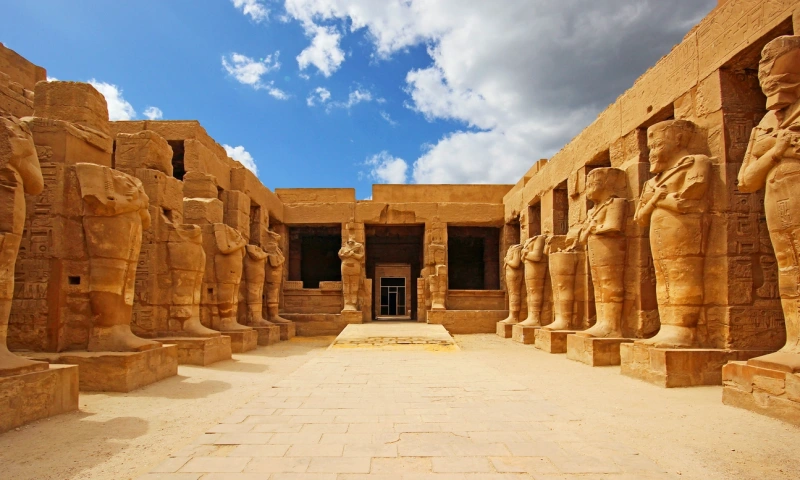
Karnak Temple is one of the largest ancient religious complexes ever built. Located north of Luxor Temple, the complex developed over many centuries as successive pharaohs added sanctuaries, obelisks, statues, gateways, and ceremonial spaces.
The site was mainly dedicated to Amun, along with other gods associated with ancient Thebes. Its size reflects the importance of religion and the considerable resources Egyptian rulers devoted to temple construction.
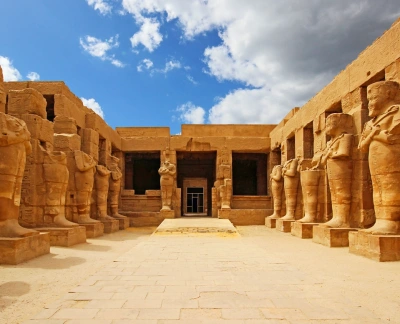
One of Karnak's most famous features is the Great Hypostyle Hall. This enormous space contains rows of towering stone columns decorated with inscriptions and reliefs. Looking closely at the carvings reveals scenes connected to religious practices, royal achievements, and ancient ceremonies.
Walking through Karnak gives visitors a sense of how large and elaborate Egyptian religious complexes became over time. Different parts of the temple also reflect the contributions of rulers from several periods.
Karnak remains one of the highlights of Luxor Sightseeing, particularly for visitors interested in architecture, religion, and the relationship between pharaohs and the gods.
What Can Visitors Discover at Luxor Temple?
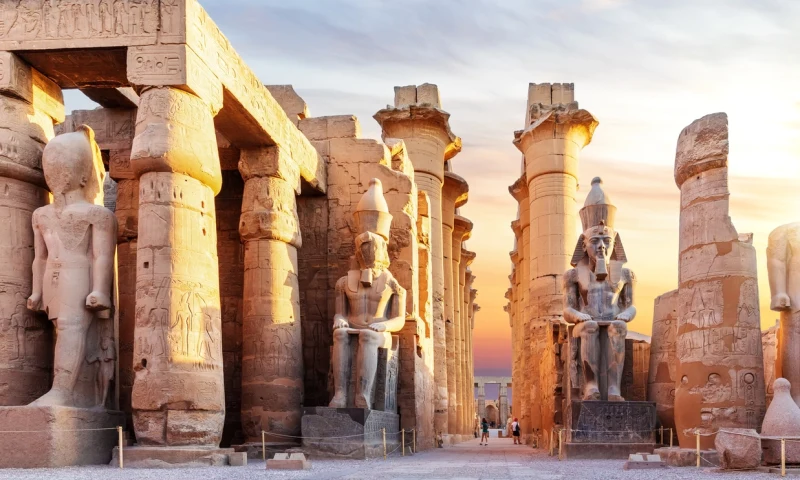
Luxor Temple stands near the modern city centre on the East Bank of the Nile. Its location creates an unusual contrast between ancient Egyptian architecture and the busy streets surrounding the archaeological site.
The temple was developed by several rulers, including Amenhotep III and Ramesses II. Their contributions helped establish the complex as an important setting for religious ceremonies and royal traditions.
Luxor Temple was closely associated with the Opet Festival, an annual celebration during which sacred images of the Theban gods were carried in procession between Karnak and Luxor Temple.
Visitors exploring the complex will find monumental statues, carved walls, large columns, and remains from different periods of Egyptian history. These features help explain how religious buildings developed and changed under successive rulers.
Unlike the royal tombs on the West Bank, Luxor Temple focuses attention on public ceremonies and religious life.
Its central location makes the temple a convenient part of Luxor Sightseeing, especially for visitors planning to explore the East Bank before crossing the Nile.
What Is the Valley of the Kings Known For?
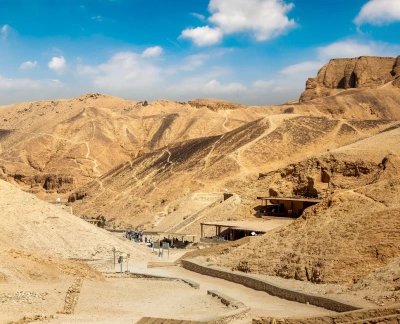
The Valley of the Kings is one of Egypt's best-known archaeological sites. Located on Luxor's West Bank, the valley served as a burial place for many pharaohs during the New Kingdom.
Instead of constructing large pyramids, rulers commissioned tombs carved into the surrounding rock. These underground burial places often included corridors, chambers, religious inscriptions, and colourful wall paintings.
The decorations reflected ancient Egyptian beliefs about death and the journey into the afterlife. Religious texts and symbolic images were intended to assist the deceased ruler in reaching the next world.
One of the valley's most famous discoveries was the tomb of Tutankhamun, found in 1922. Its largely intact contents attracted worldwide attention and revealed valuable details about ancient Egyptian royal burial practices.
Visitors will notice differences between individual tombs. Some contain long passages and several decorated chambers, while others are smaller and simpler in design.
Not every tomb is open to the public at the same time, and admission arrangements vary. Checking which tombs are accessible before your visit helps you plan your time.
For travellers interested in ancient Egyptian beliefs and burial traditions, the valley is an essential stop during Luxor Sightseeing.
You can explore its history, famous discoveries, and royal burial chambers in the Valley of the Kings Tombs guide.
Why Is the Temple of Hatshepsut Different From Other Luxor Temples?
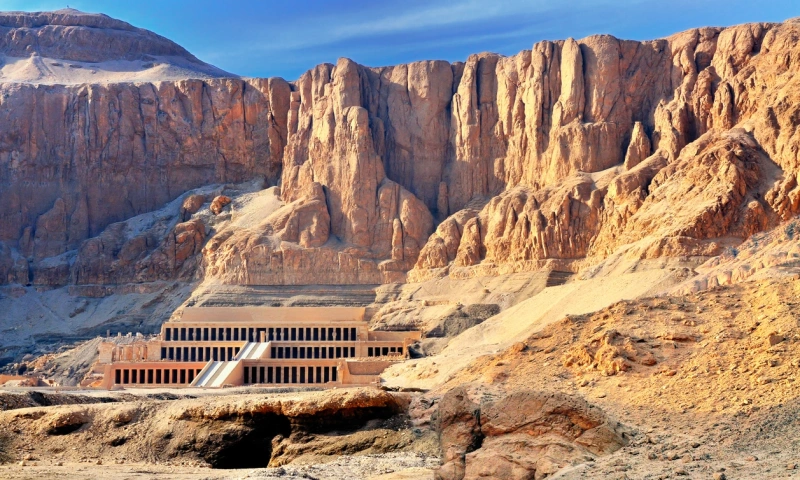
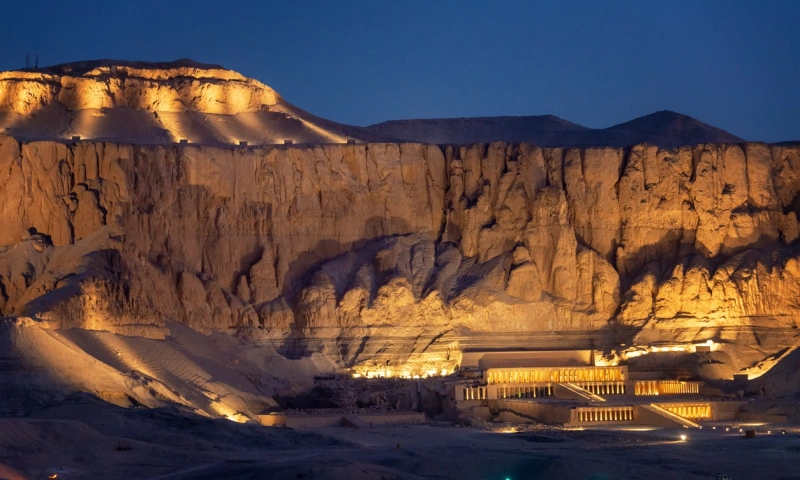
The Temple of Hatshepsut is one of the most distinctive monuments on Luxor's West Bank. Located at Deir el-Bahri, the temple stands against towering limestone cliffs, creating a striking setting.
The complex was built for Hatshepsut, one of ancient Egypt's most notable female pharaohs. It served as a mortuary temple and reflected her royal position, religious beliefs, and achievements.
What makes the temple especially interesting is its architecture. Wide terraces, long ramps, and rows of columns follow the natural shape of the cliffs, giving the structure a different appearance from many other Egyptian temples.
Inside, detailed carvings and reliefs illustrate events associated with Hatshepsut's reign. Among the most important are scenes showing the expedition to the land of Punt. These images provide evidence about ancient Egyptian trade and how rulers presented their achievements.
The Temple of Hatshepsut is a memorable part of Luxor Sightseeing because it combines unusual architecture with the history of a female pharaoh.
What Other Historical Sites Are Worth Visiting on the West Bank?
Beyond Hatshepsut's temple and the Valley of the Kings, the West Bank contains several other important landmarks.
The Valley of the Queens was used for burials of royal women and children. Its tombs reveal another side of Egypt's royal burial traditions.
The Colossi of Memnon are two enormous statues that once stood in front of the mortuary temple of Amenhotep III. Although much of the original complex has disappeared, the statues remain prominent features of the surrounding area.
Medinet Habu is another important site, particularly known for the mortuary temple of Ramesses III. Its walls preserve reliefs and inscriptions connected to royal ceremonies and military events.
For more information about religious architecture beyond Luxor, explore Hathor Temple Egypt, which introduces another significant ancient Egyptian temple.
When Is the Best Time to Visit Luxor and How Should You Plan Your Trip?
Choosing the right time to visit Luxor makes exploring its archaeological sites more comfortable. The cooler months, generally from October to April, are often preferred for outdoor sightseeing.
Summer temperatures can become extremely high, particularly around midday. Since many archaeological sites have limited shade, visiting early in the morning is a sensible choice throughout much of the year.
Comfortable walking shoes, drinking water, sun protection, and lightweight clothing are useful when visiting temples and tombs.
How Are Luxor's East Bank and West Bank Different?
The East Bank is mainly associated with religious and ceremonial life. Karnak Temple and Luxor Temple are its best-known ancient attractions, and much of modern Luxor is located in the same area.
The West Bank is more closely connected to royal burial traditions and mortuary temples. Major attractions include the Valley of the Kings, the Valley of the Queens, Hatshepsut's temple, and the Colossi of Memnon.
Visitors with limited time should consider grouping attractions by bank to reduce unnecessary travel.
What Should Visitors Know Before Exploring Luxor?
Luxor's major historical sites are spread across a wide area, so planning transportation between the East Bank and West Bank is important. Many sites also involve considerable walking, particularly the larger temple complexes.
Photography rules differ between locations, especially inside tombs. Some attractions require separate admission tickets or have restricted areas. Checking current visitor information before travelling helps avoid confusion.
Two days usually provide enough time to explore several major landmarks, while a longer stay allows visitors to see additional sites at a more relaxed pace.
For broader practical advice about travelling around Egypt, read the Egypt Travel Guide, which covers transportation, packing, and planning an itinerary.
Travellers continuing south along the Nile will also find useful information in Aswan Attractions, including historical sites and other places worth visiting.
If you're planning a journey beyond Egypt, Multi Country Tours provides options for exploring several destinations during one holiday.
With careful planning, Luxor Sightseeing gives visitors enough time to appreciate the city's temples, royal tombs, and archaeological heritage without rushing between attractions.
FAQs
How many days do you need to explore Luxor?
Two days are generally enough to visit several major attractions, including Karnak Temple, Luxor Temple, the Valley of the Kings, and the Temple of Hatshepsut. An additional day allows more time to explore other archaeological sites.
Is Luxor better known for temples or tombs?
Luxor is famous for both. Karnak Temple and Luxor Temple are major religious landmarks, while the Valley of the Kings and the Valley of the Queens are known for their royal burial sites.
Is visiting Luxor's East Bank and West Bank in one day possible?
Yes, visitors can explore attractions on both banks in one day, although the schedule will be busy. Dividing the visits over two days usually offers a more comfortable experience.
Why is Luxor important to ancient Egyptian history?
Luxor stands on the site of ancient Thebes, an important political and religious centre. Its surviving temples, royal tombs, inscriptions, and monuments provide evidence about Egyptian rulers, religious practices, and burial traditions.
Which attractions should first-time visitors prioritise in Luxor?
Karnak Temple, Luxor Temple, the Valley of the Kings, and the Temple of Hatshepsut are good starting points. Together, these sites introduce visitors to ancient Egyptian religion, royal history, architecture, and burial practices.