

Introduction
Ancient Egypt is known for its amazing landmarks such as the Pyramids of Giza, temples of Luxor and tombs of the kings in the Nile Valley. Discovering the historical places in Egypt will give you an insight into the culture, achievements and daily life of the people who lived there.
Some of the most significant historical sites to visit in Egypt include the Pyramids of Giza, Saqqara, Karnak Temple, Valley of the Kings, Temple of Philae and Abu Simbel. Each site shows a different aspect of ancient Egyptian history.
This Ancient Egypt Travel Guide includes information on these amazing landmarks, why they are historically significant and some useful tips on how to plan your cultural trip. If you're looking for inspiration to visit multiple destinations, Volkena have some Egypt Travel Packages to choose from.
Table of content:
- What Makes Egypt One of the World's Most Important Historical Destinations?
- What Are the Most Famous Historical Places in Egypt?
- What Can the Royal Tombs of Ancient Egypt Teach Visitors?
- Where Can Visitors Explore Ancient Egyptian History in Luxor and Aswan?
- How Can Travelers Plan an Ancient Egypt Itinerary?
- What Should Visitors Know Before Exploring Egypt's Ancient Sites?
- FAQs
What Makes Egypt One of the World's Most Important Historical Destinations?
The ancient Egyptian civilisation formed along the banks of the Nile. The fertile land allowed for agriculture and settlements to thrive. Throughout history Egypt has been ruled by various leaders which have helped shape the government, religion, buildings and art.
The Old Kingdom is famous for its pyramids, including the pyramids built for the kings around Memphis and Giza. The Middle Kingdom brought a new period of unity and culture.
The New Kingdom is famous for its strong Pharaohs, impressive temples and beautiful tombs built for the kings.
Eventually Egypt was ruled by foreign dynasties, including the Ptolemies who brought Greek influences but also kept the Egyptian religion.
The Nile was very important. The annual flooding would help the agriculture thrived.
Knowing about these periods in history will help you understand how varied the monuments are in Egypt.
What Are the Most Famous Historical Places in Egypt?
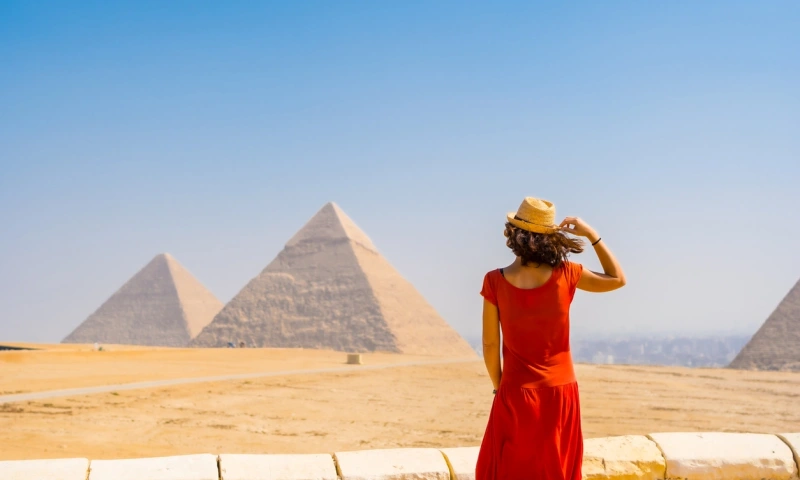
Some of Egypt's most famous ancient landmarks include the pyramids which were used as tombs for royalty and religious buildings. Many pyramids were also built to show the power of the pharaoh.
The Pyramids of Giza and Saqqara
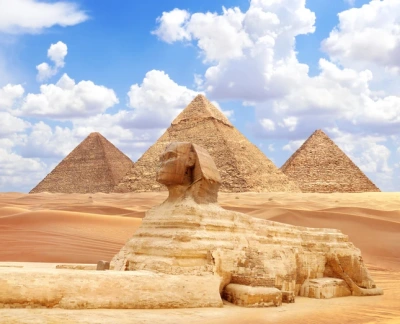
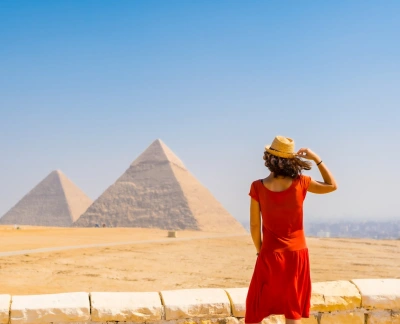
The Pyramids of Giza are some of the most well known monuments in Egypt. They were built as tombs for royalty during the Old Kingdom. This shows how advanced the engineering, organisation and resources were of ancient Egyptian rulers.
The Great Pyramid of Khufu is impressive and was originally approximately 146 meters tall.
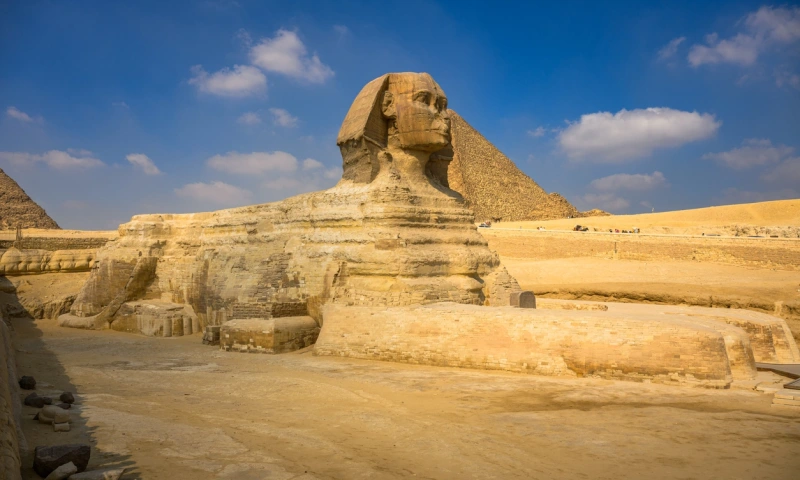
Close by is the Great Sphinx which features the body of a lion and the head of a man.
Saqqara provides a different look into the history of pyramids with the famous Step Pyramid of Djoser.
Both Giza and Saqqara provide a good insight into how the Egyptians developed their pyramid building.
While exploring the capital, you can find more landmarks through Volkena's Cairo Attractions page.
Famous Temples of Ancient Egypt
Ancient Egyptian temples were places of worship and rituals were performed to honour gods and strengthen the power of the king and queen.
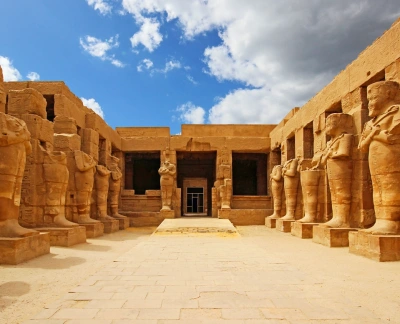
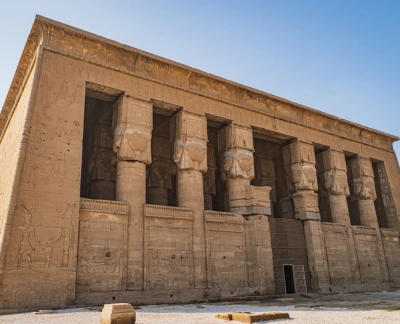
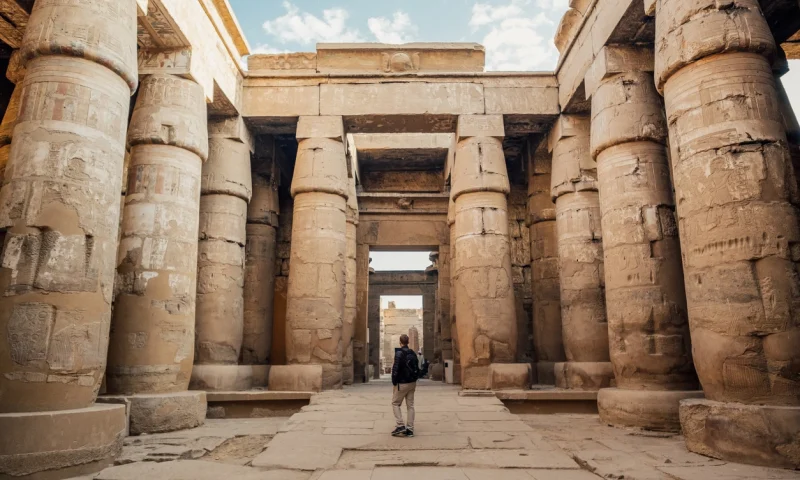
Karnak Temple in Luxor is one of the largest religious temples ever built. This temple has some impressive columns, sanctuaries, courtyards and inscriptions. The temple has been developing for centuries.
Luxor Temple nearby was used for royal rituals and the annual Opet Festival.
Further south is the Philae Temple which is very closely linked to the goddess Isis. This temple also has amazing architecture from later periods of Egyptian history.
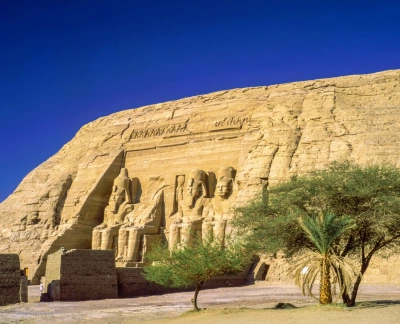
Abu Simbel is another amazing temple. Famous for the rock cut temples built by Ramesses II and the amazing statues on the front of the Great Temple.
If you are interested in visiting these temples, take a look at Volkena's Abu Simbel Temples page.
What Can the Royal Tombs of Ancient Egypt Teach Visitors?
Royal tombs can tell us a lot about the ancient Egyptians beliefs about death.
The tombs were often highly decorated with religious texts, symbols and artwork to help the deceased in the afterlife.
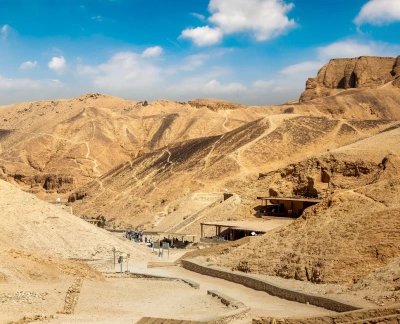
The Valley of the Kings on the West Bank of Luxor is home to many tombs of New Kingdom Pharaohs. These tombs were carved into the rock unlike previous Pharaohs pyramids.
These chambers are highly decorated showing the advanced artistry and religious practices.
One of the most famous archaeological finds in the Valley of the Kings is the tomb of Tutankhamun. The tomb was discovered in 1922 and caused worldwide attention as many artefacts were found in situ.
The Valley of the Queens shows us more about the Egyptian burial practices. This was used to bury royal women and children. One of the tombs is Queen Nefertaris who has a beautifully decorated tomb.
This shows us how the ancient Egyptians associated the royal status with their religious beliefs and their preparations for eternal life.
For more information on these fascinating burial sites check out Volkenas guide to the Valley of the Kings Tombs.
Where Can Visitors Explore Ancient Egyptian History in Luxor and Aswan?
Luxor and Aswan are two of the most important places to visit in Egypt.
Luxor is located in the ancient city of Thebes, which was a major religious and political centre during the New Kingdom.
The East Bank contains two famous temples, Karnak and Luxor. Whilst the West Bank has royal tombs, mortuary temples and significant archaeological sites.
Visiting both sides of the river you can discover more about how the royalty lived, their religious rituals and the way they were buried.
Aswan offers another insight into Egypt's historical past.
One of the most famous sites is the Temple of Philae which is dedicated to Isis. Further down the river you will find Abu Simbel, which shows the impressive architecture that Ramesses II created.
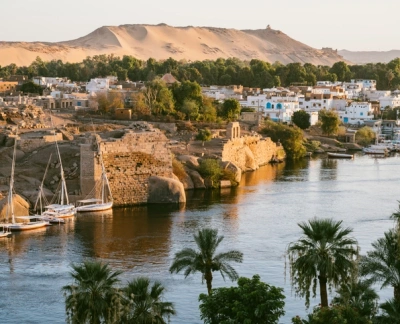
The landscape surrounding the area showcases how the Nile impacted settlements, trade and how it connected Egypt and Nubia.
If you are staying in Southern Egypt you can discover more places to visit using Volkena's Aswan Attractions.
How Can Travelers Plan an Ancient Egypt Itinerary?
Plan your trip through the historical places in Egypt based on how far you need to travel and what archaeological sites you are most interested in visiting.
Cairo and Giza are a good place to begin your trip if you are looking to visit the pyramids, Sphinx and Saqqara, as well as some of the largest museum collections.
Luxor is a great place to visit if you are interested in visiting temples and royal tombs. Aswan offers you the chance to visit the Philae Temple, Abu Simbel, and ancient Nubian monuments.
If you are going on your first historical trip, you could base your trip around three key areas:
Cairo/Giza, Luxor and Aswan.
This will help cut down on any unnecessary travel to far away sites and will allow you time to enjoy each of the sites.
You could also take a Nile cruise to visit some of your chosen historical sites between Luxor and Aswan. If you would like to take this option, Volkena's Egypt Nile Cruises are a great place to start your research.
Ensure you spend enough time at the major sites.
If you are interested in combining Egypt with countries in the surrounding area, you could look into Multi Country Tours.
What Should Visitors Know Before Exploring Egypt's Ancient Sites?
Visiting historical places in Egypt can be a truly unforgettable experience.
Many sites will require walking on uneven surfaces, stony paths and sand so good shoes are a must.
Sun cream, water and appropriate clothing will also be important.
Generally the cooler months (October-April) will be more comfortable for spending longer sightseeing. This can vary depending on where you are.
Opening times, ticket prices, photo opportunities and restrictions can vary between sites. It is best to check official visitor information.
A knowledgeable guide can give you useful historical background information including the inscriptions, building features and religious beliefs.
Researching the main historical periods of Egypt beforehand can help you get more out of your visit.
Most importantly take your time to really take in what you can see. The carvings, paintings, columns and statues that can be seen across Egypt tell stories that still amaze travellers today thousands of years later.
FAQs
1. What are the best places to visit in Ancient Egypt as a first time visitor?
The Pyramids of Giza, Great Sphinx, Saqqara, Karnak temple, Luxor temple, Valley of the Kings, Philae Temple and Abu Simbel.
2. How long will I need to spend in Ancient Egypt?
Spending around 7-10 days can give you a good insight into the main spots in Cairo, Giza, Luxor and Aswan. This depends on your transport and what you are interested in.
3. Which is better for Ancient Egyptian history Cairo or Luxor?
Both places have their own unique offerings. Cairo and Giza are famed for their pyramids and museums, whilst Luxor is renowned for its temples and royal tombs.
4. What is the best way to visit Ancient Egypt Temples and Tombs?
Grouping the sites together based on their location, allowing ample time to see the sights and having a knowledgeable guide.
5. What should I know before visiting Ancient Egyptian Monuments?
Using an Ancient Egypt Travel Guide can help you understand the main historical eras, pharaohs and religions. Comfortable shoes and checking the rules of each site.