

Introduction
Amman Jordan is a vibrant city. The ancient architecture, freshly baked smells from local markets and buzzing cafés make for a great place to be.
There is a rich history within Amman, with Roman relics and traditional local areas. There are many places to visit within the city, including museums, galleries and great eats.
It is a great place to begin your journey if you have an interest in archaeology, local cuisine and Jordanian culture. It is also a great place to easily visit some of Jordan’s most popular sights.
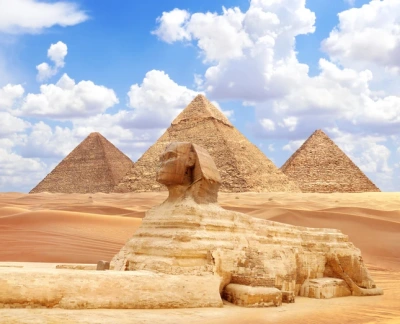
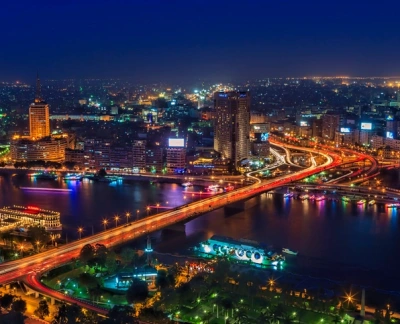
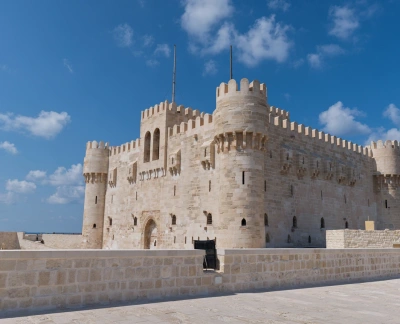
If you are planning on visiting Jordan and Egypt, Volkena’s Multi Country Tours can offer some inspiration.
Table of content:
Where Is Amman Jordan Located?
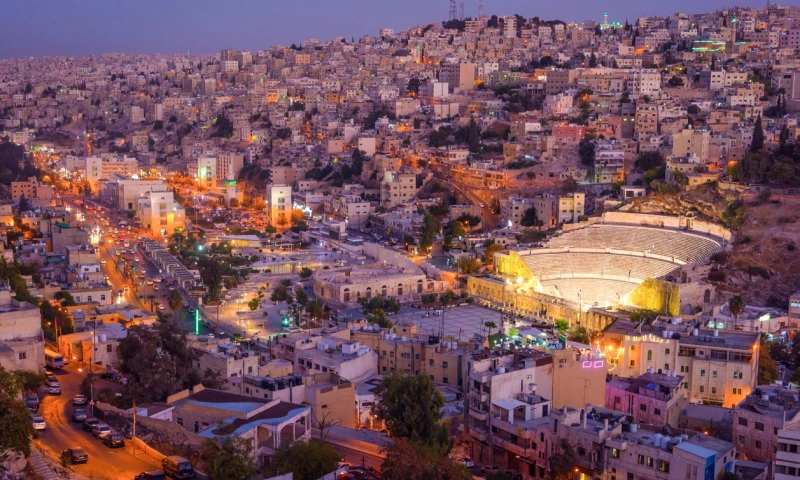
Amman lies in northwestern Jordan, built across a landscape of hills and valleys. As the country's capital and largest city, it serves as an important center for culture, government, business, and tourism.
Queen Alia International Airport is located south of the city and provides the main international arrival point for many visitors.
Why Is Amman a Popular Starting Point?
Amman is a great place to begin your trip in Jordan.
See ancient sites within Amman, and then travel to other historical destinations, desert areas and natural sites around the country.
There are plenty of places to stay, eat and get around in Amman, so it is a great place to visit for a short or long period of time.
How Far Is Petra from Amman?
How Far Is Petra from Amman?
It is approximately 3 hours from Amman to Petra, depending on the route taken and traffic conditions.
Many people will visit Amman before visiting Petra. Petra (also known as the Rose City) contains amazing man-made features within the sandstone.
If you are also visiting Petra, why not take a look at our Petra Jordan guide to find out more information on the famous Treasury, Siq, Royal Tombs and other archaeological sites.
What Is the History of Amman?
Amman's history stretches back thousands of years, with evidence of human settlement long before the Roman period.
Its position along regional routes attracted different civilizations, each leaving traces of its traditions, architecture, and cultural influence.
What Was Amman Called in Ancient Times?
During the Iron Age, Amman was known as Rabbath-Ammon, an important center of the Ammonite kingdom.
In the Hellenistic period, the city became known as Philadelphia and retained that name during Roman rule.
Later, it developed under Byzantine and Islamic administrations, adding further chapters to its history.
What Can You See at the Amman Citadel?
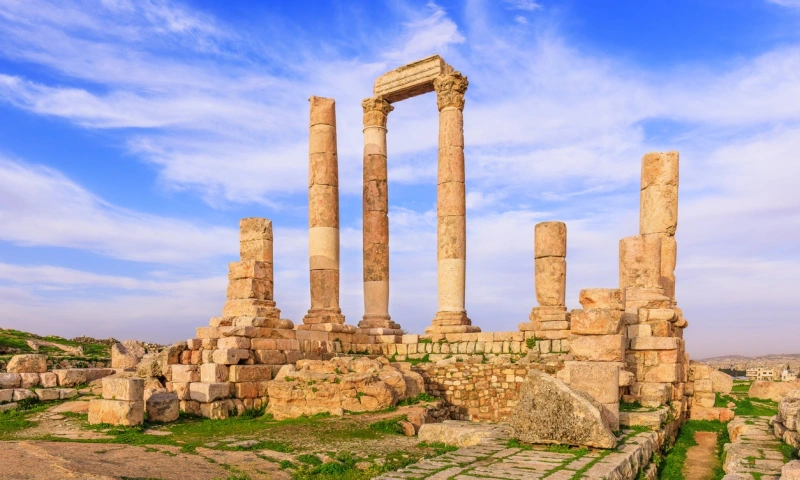
The Amman Citadel, located on Jabal Al-Qal'a, is one of the capital's most significant archaeological landmarks.
Its hilltop setting offers panoramic views across the city.
Visitors can explore remains from several historical periods, including the Temple of Hercules, a Byzantine church, and the Umayyad Palace complex.
The Jordan Archaeological Museum, located within the Citadel, displays artifacts that help explain the region's long history.
Why Is the Roman Theater Famous?
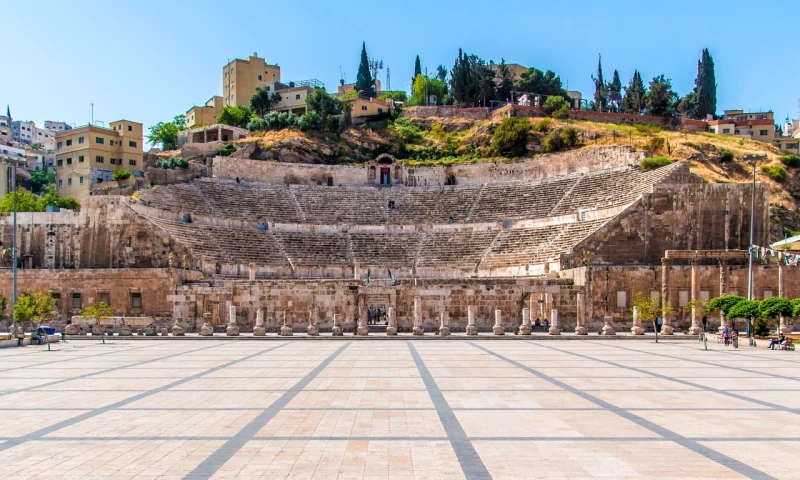
Situated below the Citadel in downtown Amman, the Roman Theater was built during the second century CE.
Its impressive semicircular seating accommodated approximately 6,000 spectators.
Today, the monument remains one of the clearest reminders of Roman influence on the city.
Nearby cultural museums introduce visitors to traditional clothing, handicrafts, and regional heritage.
What Can You Discover in This Amman Travel Guide?
Cultural Centres
Neighbourhoods in Amman show great growth within the city, but also reflect local traditions.
Rainbow Street
Rainbow Street is a popular location in Jabal Amman.
Historic buildings, restaurants, shops and cafes can be found in this area.
A pleasant time to visit is in the late afternoon to have a cup of coffee or to enjoy views of surrounding areas.
Downtown Amman
Al-Balad (downtown) is very lively and has many local markets.
Many small shops sell spices, clothing, sweets, fragrance and domestic goods.
Explore local restaurants and historic buildings, and experience the older commercial area of the city in surrounding areas.
Jabal Al-Weibdeh
This area is known for having many independent art galleries, cafes, cultural centres and an artistic atmosphere.
It is more relaxed than the busy markets of downtown.
Within this area, you may visit Darat al Funun. This is one of several art galleries and cultural centres where you can explore some contemporary Jordanian art.
What Are the Best Day Trips from Amman?
Getting out and about from Amman:
Longer excursions may be enjoyable if you stay overnight.
Dead Sea
Yes! The main tourist resorts at the Dead Sea are typically around 1 hour away from Amman.
You can float on this incredible salt water lake, get some amazing mud treatments with its rich minerals and simply relax.
There are also many historical and religious sights in this area, including Mount Nebo and Baptism Site.
Find more information on what beaches you can visit, floating and sites of interest on Volkena’s Dead Sea in Jordan visitors guide.
Jerash
This is an incredible Ancient site in Jordan.
It is located north of Amman, and contains amazing ancient Roman roads, temples, amphitheatres and plazas.
This is a great place to visit if you are interested in classically styled buildings.
Madaba and Mount Nebo
Madaba is known for its amazing Byzantine mosaics and includes the famous ancient map mosaic in Saint George’s church.
Close by, Mount Nebo is traditionally where Moses was said to have viewed the Promised Land.
Both places allow you to learn about the religious and cultural history of Jordan.
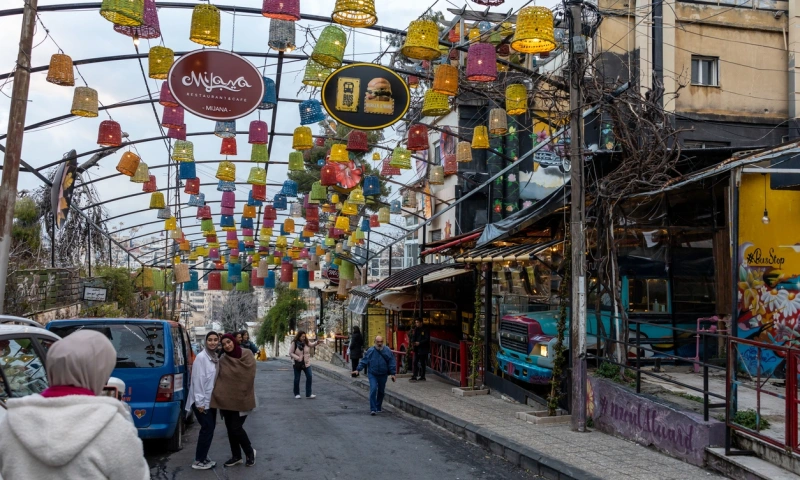
Where Can You Experience Local Food and Culture in Amman Jordan?
The neighborhood cafés and restaurants in Amman are great places to experience Jordanian hospitality.
Lively food markets, family-run businesses, and traditional dishes help visitors feel more connected to daily life.
Which Jordanian cuisine is traditional?
One of the most popular dishes in Jordan is mansaf, which is typically made with rice, lamb, and jameed, a fermented dried yogurt sauce.
Falafel, hummus, grilled meats, fresh flatbread, and knafeh are some other well-liked dishes.
It's especially fun to try local eateries and traditional sweets in downtown Amman.
Which Cultural Experiences Are Worth Investigating?
Visitors can discover local art galleries, historic houses, and traditional markets throughout the capital.
An excellent introduction to the nation's cultural and archeological legacy can be found at the Jordan Museum.
Another well-known city landmark is the King Abdullah I Mosque, which is distinguished by its blue dome. Before entering, guests should confirm the dress code and access arrangements.
Volkena's Egypt Travel Packages offer more ideas for exploring the area if your trip also includes Egypt.

What Should You Know Before Visiting Amman Jordan?
A little preparation can make sightseeing easier, particularly because the capital spreads across numerous hills and neighborhoods.
When Is the Best Time to Visit?
March, April, May and September, October and November.
Summers can be very hot and dry. Winters can be cold and rainy.
How Can You Get Around the City?
Taxis, Uber and pre-booked transfers are popular ways to get around Amman.
While it is nice to walk around certain areas, the steep roads and traffic in some areas may make long walks less convenient.
Extra time should be allowed to move between sights in busier times.
How Long Should You Stay?
2 days is usually enough to see the Citadel, Roman Theatre, markets in the city centre, Rainbow Street and many cultural sites.
3 days is a more relaxed schedule, or allows for an extra trip.
If you are continuing your journey further South, a visit to the sandstone mountains of Wadi Rum in Jordan (including Bedouin culture) can be a great addition to your trip. Due to it being a long way away from Amman, it is generally a good idea to stay in the desert overnight, rather than rushing around on a day trip.
If you would like to include Egypt in your trip to Jordan, Volkena’s Egypt Travel Guide can help you plan.
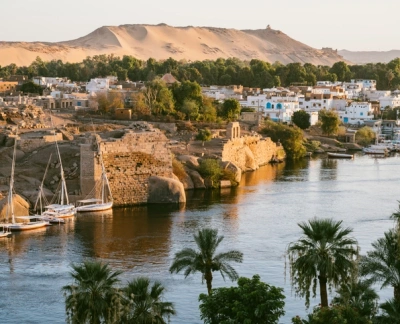
For a different unforgettable experience outside of Jordan, Volkena’s Egypt Nile Cruises provide a great opportunity to see ancient landmarks and scenery along the Nile.
FAQs
1. What is Amman, Jordan known for?
The Citadel, Roman Theatre, traditional souqs, Jordanian food and lively areas.
2. Is a visit to Amman worth it?
Yes! There are many interesting historical sights to see, and get a good taste of the culture, food and city life.
3. How many days should I spend in Amman?
Between 2-3 days is a good amount of time to see most of what there is to see in Amman and get a good feel for the culture.
4. Can I visit Petra and the Dead Sea from Amman?
Yes. They can be reached via road. However, to really enjoy Petra, it’s best to allow enough time to fully experience it, or even stay the night.
5. Is this Amman travel guide good for first time visitors?
Yes. This guide includes the main sights of Amman, areas, food, transport and surrounding places to make planning an easy for first time visitors.