

Introduction
Step into a quieter corner of Egypt's capital, where ancient churches stand beside Roman ruins and narrow streets lead to centuries-old religious landmarks. Coptic Cairo is one of the city's most fascinating historic districts, offering visitors a different perspective on Egypt's remarkable past.
Located in Old Cairo, this compact neighborhood is home to the Hanging Church, Abu Serga Church, the Coptic Museum, and Ben Ezra Synagogue. Together, these landmarks reveal the stories of communities that shaped Egypt's religious and cultural identity over many centuries.
Whether you're interested in Christian heritage, architecture, or historical discoveries, this guide covers the district's main attractions, their significance, and practical advice for visiting.
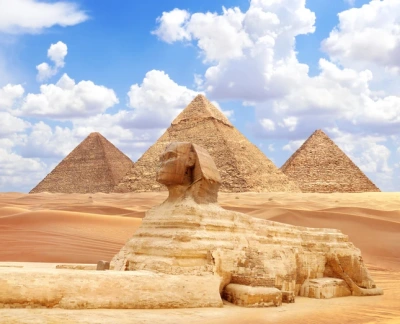
Travelers exploring the capital alongside other Egyptian destinations can discover Volkena's Egypt Travel Packages for inspiration when planning their journey.
Table of content:
- Where Is Coptic Cairo Located, and Why Is It Important?
- How Did Coptic Egyptian history Shape Old Cairo?
- What Are the Most Famous Attractions in Coptic Cairo?
- What Can Visitors Discover Inside the Coptic Museum?
- How Can You Visit Coptic Cairo and Explore Its Landmarks?
- Why Is Coptic Cairo Worth Visiting?
- FAQs
Where Is Coptic Cairo Located, and Why Is It Important?
The historic district lies in Old Cairo, also known as Masr El Qadima, south of the city's modern downtown area. Its most important landmarks are concentrated around the remains of the Roman Fortress of Babylon.
This location has witnessed remarkable transformations. What began as a strategic Roman settlement later became an important center of Christian worship, while nearby religious landmarks also reflect Cairo's Jewish and Islamic heritage.
Today, visitors can walk between churches, archaeological remains, and museums within a relatively small area.
What Is the Roman Fortress of Babylon?
The Fortress of Babylon was a Roman stronghold whose surviving towers and walls remain visible in the historic district.
Its remains provide a glimpse into Cairo's earlier history, before the development of the modern capital.
Several religious buildings were constructed within or above parts of the fortress, creating an unusual combination of Roman military architecture and later Christian monuments.
Exploring these remains helps visitors understand how the neighborhood developed over centuries rather than during a single historical period.
For travelers interested in exploring more of the capital, Volkena's Cairo Attractions guide introduces other important historical and cultural landmarks.
How Did Coptic Egyptian history Shape Old Cairo?
Christianity has been part of Egypt's religious history since the early centuries of the Common Era. According to Coptic tradition, Saint Mark introduced Christianity to Alexandria during the first century CE.
Over time, Christian communities developed distinctive forms of worship, art, architecture, and religious scholarship.
The Coptic Orthodox Church became an important institution in Egyptian religious life, preserving traditions that continue today.
Old Cairo eventually emerged as a significant center for Christian worship, containing churches associated with different periods of the country's history.
What Makes Coptic Heritage Unique?
Coptic heritage combines Egyptian cultural traditions with Christian religious beliefs.
Historic churches often feature carved wooden screens, religious icons, painted decorations, and architectural elements that distinguish them from other Egyptian monuments.
The Coptic language, descended from the ancient Egyptian language, also occupies an important place in the church's liturgical tradition.
Visitors can appreciate these historical connections by examining the artwork and inscriptions preserved throughout the district.
For a broader understanding of the country's different historical periods, explore Volkena's Egypt Travel Guide.
What Are the Most Famous Attractions in Coptic Cairo?
The district contains several remarkable landmarks, each revealing a different aspect of Egypt's religious and cultural heritage.
The Hanging Church
The Hanging Church, officially known as the Church of the Virgin Mary, is among Egypt's most celebrated Christian monuments.
Its unusual name comes from its construction above the remains of the Roman Fortress of Babylon.
Inside, visitors discover marble columns, religious icons, intricately carved wooden details, and an impressive historic pulpit.
The church's architecture reflects centuries of Christian worship and artistic development.
Abu Serga Church
Also known as the Church of Saints Sergius and Bacchus, Abu Serga holds particular importance in Coptic Christian tradition.
According to religious tradition, the Holy Family rested at this location during their journey through Egypt.
A crypt beneath the church is associated with this story, making it an important place for Christian pilgrims.
The church features traditional basilica-style architecture and decorative elements reflecting its long religious history.
Ben Ezra Synagogue
Ben Ezra Synagogue represents the Jewish heritage of Old Cairo.
Its history is closely associated with the Cairo Geniza, an extraordinary collection of historical documents that provides insight into Jewish religious, social, and commercial life over many centuries.
The synagogue's architecture and decorative features reflect different artistic traditions.
Although it is not a Christian monument, it contributes to the district's wider historical significance.
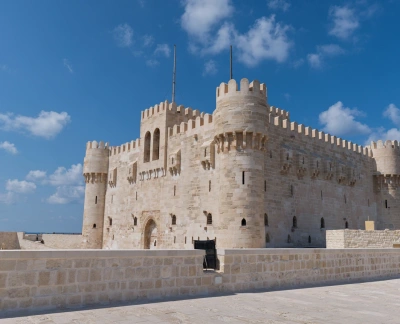
Travelers interested in Egypt's other Mediterranean cultural and archaeological destinations can also explore Volkena's Alexandria Egypt Attractions.
What Can Visitors Discover Inside the Coptic Museum?
The Coptic Museum is one of the most valuable places to explore Egypt's Christian artistic and cultural heritage.
Founded through the efforts of Marcus Simaika Pasha, the museum officially opened in 1910.
Today, its collections contain remarkable objects representing different periods of Coptic civilization, including textiles, manuscripts, stone carvings, wooden objects, icons, and architectural fragments.
Why Is the Coptic Museum Important?
The museum helps visitors understand how Christian Egyptian art developed through interactions with earlier Egyptian, Greek, Roman, and Byzantine traditions.
Its exhibits illustrate how artistic styles evolved while retaining distinctive local characteristics.
Decorative wooden screens, religious manuscripts, and carefully preserved textiles provide valuable insight into craftsmanship and religious expression.
Visiting the museum before or after exploring the surrounding churches can help visitors recognize the symbols and artistic details found throughout the historic district.
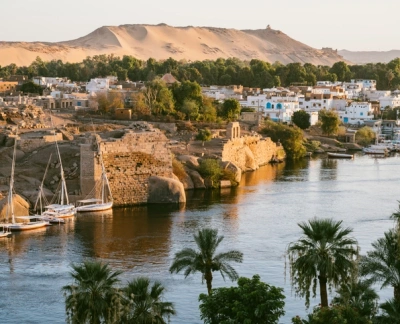
For travelers interested in discovering more of Egypt's monumental religious architecture, Volkena's Egypt Nile Cruises offer inspiration for exploring historical landscapes farther south.
How Can You Visit Coptic Cairo and Explore Its Landmarks?
Exploring the historic district is relatively straightforward because many of its main attractions are within walking distance of one another.
Visitors can reach the area by taxi, arranged transportation, or the Cairo Metro, with Mar Girgis Station providing convenient access to the neighborhood.
How Much Time Should You Spend in the District?
Allow approximately two to three hours to explore the principal churches and Roman remains at a comfortable pace.
If you also plan to visit the Coptic Museum, consider setting aside half a day.
A relaxed visit gives you time to appreciate architectural details, religious artwork, and the historical atmosphere rather than moving quickly between landmarks.
What Should You Know Before Visiting?
The churches remain places of religious importance, so modest clothing and respectful behavior are appropriate.
Opening hours, religious services, photography arrangements, and museum access may affect your visit. Check current information before departing.
Comfortable walking shoes are useful for exploring the historic streets and archaeological surroundings.
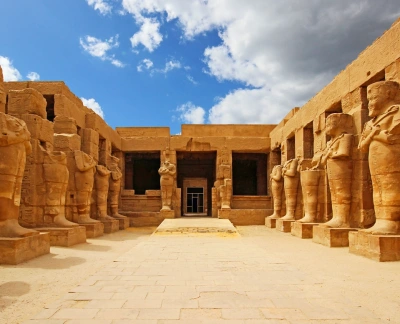
If your Egyptian itinerary also includes Upper Egypt, Volkena's Luxor Sightseeing introduces another destination known for remarkable religious monuments and architectural heritage.
Why Is Coptic Cairo Worth Visiting?
The district offers something different from Egypt's famous pyramids and ancient temples. Instead of focusing primarily on pharaonic civilization, it reveals how the country's religious and cultural traditions continued to evolve through later historical periods.
Its churches, museums, and ancient ruins tell connected stories of faith, community, architecture, and artistic expression.
One of the most rewarding aspects of visiting is discovering how different religious traditions developed within the same historic neighborhood.
The Hanging Church and Abu Serga preserve important Christian heritage, while Ben Ezra Synagogue and the Roman Fortress of Babylon illustrate other chapters of the area's past.
For travelers interested in Coptic Egyptian history, this district provides an accessible introduction through monuments that can still be explored today.
Whether you're admiring ancient icons, visiting a historic sanctuary, or examining Roman stonework, Old Cairo offers a meaningful encounter with Egypt's diverse heritage.
Travelers planning a longer journey can also browse Volkena's Multi Country Tours for inspiration about exploring additional destinations.
FAQs
1. What Is Coptic Cairo Famous For?
It is famous for historic Christian churches, the Coptic Museum, Roman fortress remains, and Ben Ezra Synagogue, which together reflect Old Cairo's diverse religious heritage.
2. What Are the Most Important Churches to Visit?
The Hanging Church and Abu Serga Church are two of the district's best-known Christian landmarks, celebrated for their architecture, history, and religious significance.
3. Why Is Coptic Egyptian History Important?
It explains the development of Christianity in Egypt and the distinctive religious traditions, artistic styles, and cultural heritage preserved by Egyptian Christian communities.
4. How Long Does It Take to Visit the Historic District?
Approximately two to three hours is suitable for exploring the principal landmarks. Allow half a day if you want to include the Coptic Museum.
5. Is the Coptic Museum Worth Visiting?
Yes. Its collections provide important historical context through ancient manuscripts, religious icons, textiles, carvings, and examples of traditional Coptic craftsmanship.