

Introduction
Imagine walking between towering stone columns, surrounded by carvings that have survived for more than three thousand years. In Luxor, Egypt, the magnificent Karnak Temple complex offers exactly that experience. Its enormous gateways, sacred spaces, and beautifully decorated walls reveal the extraordinary achievements of ancient Egyptian civilization.
Karnak was more than a place of worship. It was a powerful religious center where pharaohs honored the gods, celebrated important festivals, and demonstrated their authority. Among the most fascinating facts about karnak temple is that successive rulers expanded the complex over many centuries, creating an architectural masterpiece that continues to impress visitors today.
Whether you're interested in ancient history, Egyptian mythology, or remarkable architecture, Karnak is an essential stop in Luxor. You can also explore Volkena's Egypt Travel Packages when planning a journey through Egypt's historical treasures.
Table of content:
Where Is Karnak Temple Located in Egypt?
Karnak is located on the east bank of the Nile in Luxor, southern Egypt, close to the site of ancient Thebes.
The complex is approximately three kilometers north of Luxor Temple and forms part of the UNESCO World Heritage Site known as Ancient Thebes with its Necropolis.
Today, Karnak is among Luxor's most recognizable historical attractions, welcoming travelers interested in exploring one of the greatest religious centers of the ancient world.
Why Was Ancient Thebes So Important?
Thebes became one of ancient Egypt's most influential cities, particularly during the New Kingdom, when it served as a major political and religious center.
The city's importance was closely connected to the worship of Amun, a deity who became increasingly prominent in Egyptian religion.
Karnak developed into the principal sanctuary of Amun-Ra, attracting royal patronage, religious ceremonies, and major construction projects.
Across the Nile, the royal tombs and mortuary temples of the Theban Necropolis reveal another side of the civilization's history.
For more remarkable landmarks nearby, discover Volkena's Luxor Sightseeing guide.
What Is the History of the Karnak Complex?
The history of Karnak stretches back thousands of years. Its development began during the Middle Kingdom, although surviving evidence indicates that royal activity at the site may be older.
Unlike monuments constructed during a single reign, Karnak grew gradually as successive rulers added temples, chapels, gateways, and statues.
This long building history explains why visitors encounter monuments from different periods standing beside one another.
How Did Karnak Develop Over the Centuries?
The Middle Kingdom saw important early construction, particularly under Senusret I.
During the New Kingdom, Karnak experienced major expansion as powerful pharaohs invested in impressive religious architecture.
Later rulers continued modifying and decorating the complex. Construction and religious activity extended into the Late Period and the Ptolemaic era.
These changes transformed Karnak into a vast collection of sacred buildings, each reflecting the ambitions and traditions of its time.
Why Was Karnak Important in Ancient Egyptian Religion?
Karnak was primarily associated with Amun-Ra, one of the most important gods in ancient Egyptian belief.
Priests performed daily rituals, presented offerings, and maintained the sacred spaces dedicated to the deity.
Karnak also played a central role in religious festivals. During the Opet Festival, divine statues traveled in ceremonial processions between Karnak and Luxor Temple.
The association between temple worship, kingship, and religious celebrations made Karnak an important symbol of royal authority.
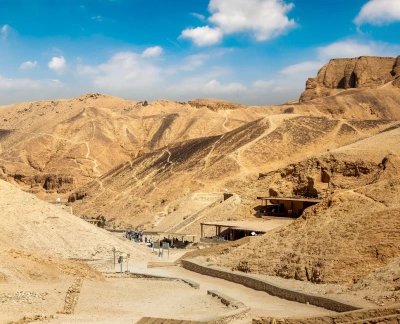
Ancient Egyptian beliefs about life, death, and divine power can also be explored through the tombs described in Volkena's Valley of the Kings Tombs guide.
Who Built Karnak and Which Pharaohs Expanded It?
Karnak was not built by one ruler. Many pharaohs contributed to its construction, creating a complex that evolved over generations.
Each major addition helped reinforce the ruler's relationship with the gods while demonstrating the wealth and power of the Egyptian state.
What Did Hatshepsut Build at Karnak?
Queen Hatshepsut, one of ancient Egypt's most remarkable rulers, commissioned important monuments at Karnak.
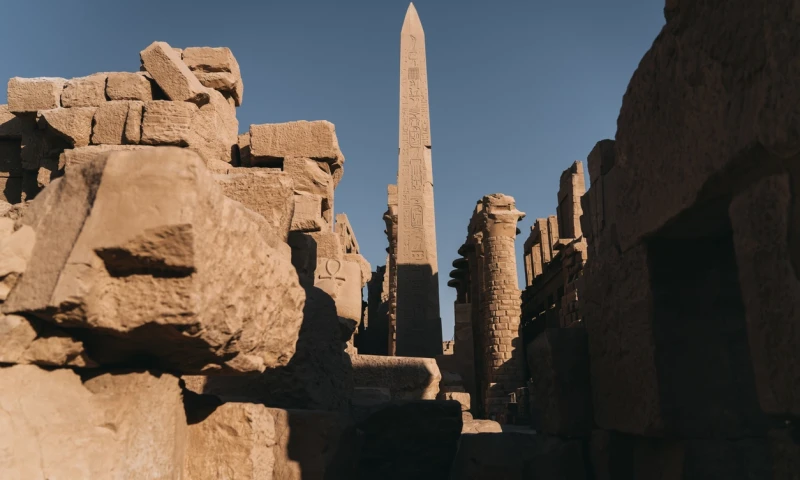
Her achievements included impressive obelisks dedicated to Amun-Ra.
One surviving obelisk rises to approximately 30 meters, making it an outstanding example of ancient Egyptian stone craftsmanship.
The inscriptions and reliefs associated with her monuments celebrate her royal authority and religious devotion.
What Were the Contributions of Thutmose III?
Thutmose III expanded Karnak through ambitious building projects, including the Akh-menu, often called the Festival Hall.
This structure was associated with royal ceremonies and religious worship, featuring distinctive columns and extensive decoration.
His architectural contributions helped shape the temple's ceremonial spaces.
How Did Seti I and Ramesses II Transform Karnak?
Seti I and his son Ramesses II were responsible for much of the Great Hypostyle Hall's monumental construction and decoration.
Their artists covered columns and walls with detailed reliefs showing religious rituals, gods, and royal achievements.
These beautifully preserved carvings remain among the highlights of a visit.
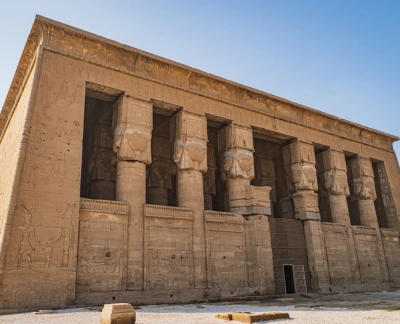
Travelers interested in another important religious sanctuary can discover Volkena's Hathor Temple Egypt guide to the Temple of Dendera.
What Are the Most Interesting facts about karnak temple?
Beyond its impressive size, Karnak contains extraordinary architectural features and fascinating evidence of ancient Egyptian traditions.
Here are some of the remarkable details that make this historical site unique.
Why Is the Great Hypostyle Hall Famous?
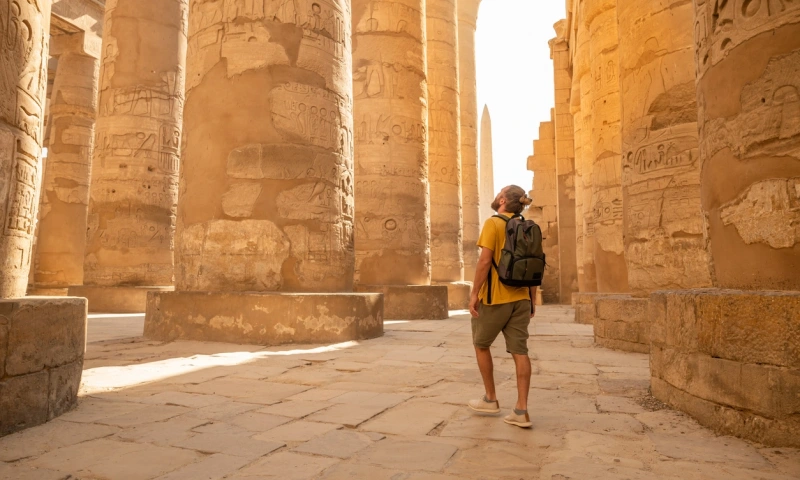
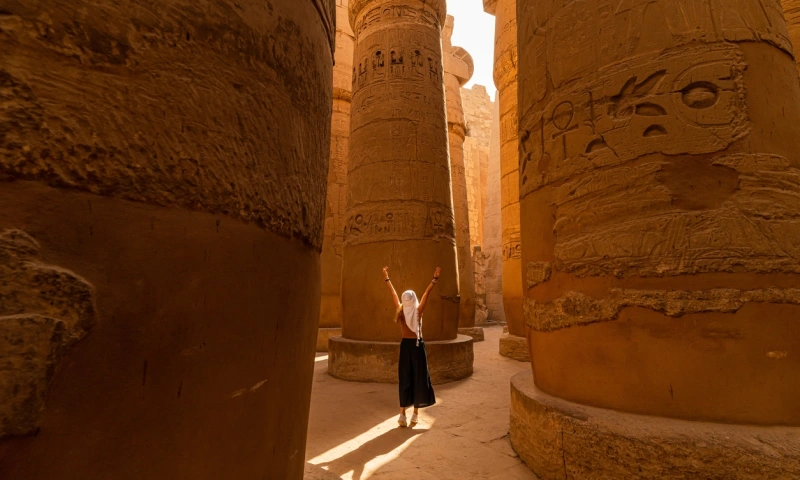
The Great Hypostyle Hall is one of the complex's most celebrated architectural achievements.
It contains 134 enormous sandstone columns arranged in rows, creating a remarkable forest of stone.
Twelve central columns rise to approximately 21 meters, while the surrounding columns stand around 15 meters tall.
Their papyrus-inspired capitals reflect the importance of plants and natural symbolism in ancient Egyptian architecture.
The hall was originally roofed, with light entering through elevated openings. Its walls and columns were decorated with colorful religious scenes, traces of which remain visible today.
What Is the Significance of the Sacred Lake?
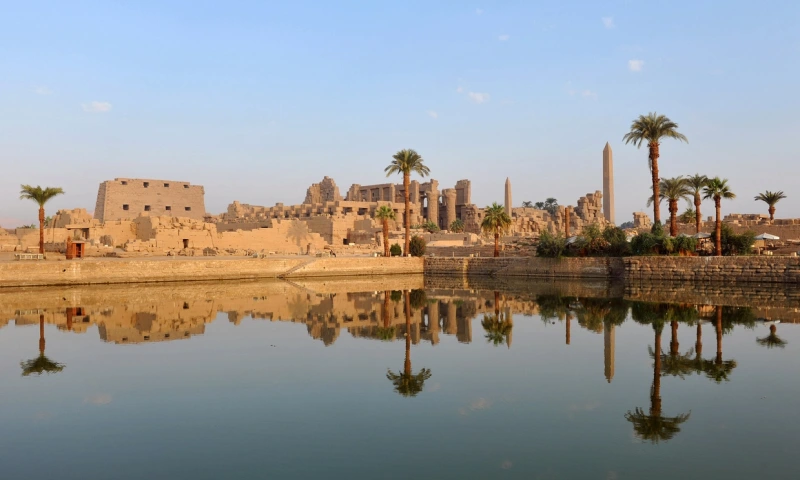
The Sacred Lake was an important part of religious life at Karnak.
Priests used its waters for purification before performing sacred rituals.
The lake also formed part of the temple's symbolic landscape, connecting water with ideas of creation and renewal.
Visitors can still see the lake today and imagine the ceremonial activities that once surrounded it.
What Makes Karnak's Obelisks Special?
Karnak's obelisks are remarkable examples of ancient Egyptian engineering.
These tall, four-sided monuments were carved from single pieces of stone and erected to honor the gods and commemorate royal achievements.
Their inscriptions provide valuable insights into the beliefs and ambitions of the rulers who commissioned them.
Other outstanding examples of monumental royal architecture can be discovered in Volkena's Abu Simbel Temples guide.
What Can You See Inside the Karnak Temple Complex?
A visit to Karnak reveals much more than its famous columns. The site contains several fascinating monuments that deserve time and attention.
The First Pylon and Great Court
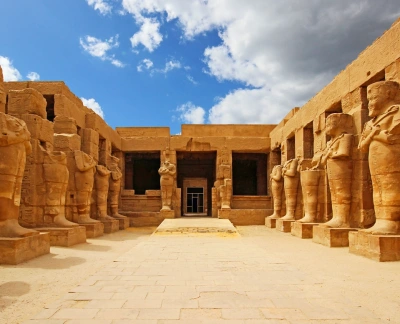
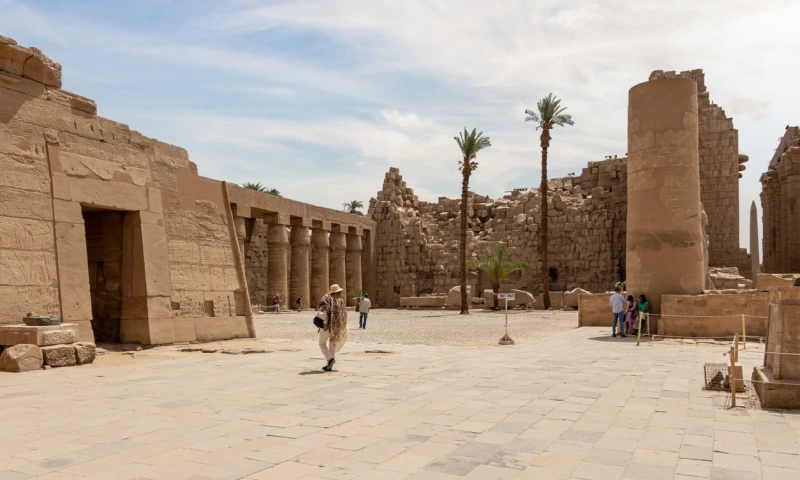
Visitors enter the main temple area through a monumental gateway known as the First Pylon.
Beyond it lies the Great Court, an extensive open space surrounded by ancient architectural remains.
The court introduces visitors to the extraordinary scale of the sanctuary.
The Temple of Amun-Ra
The central religious complex was dedicated to Amun-Ra.
Its courts, gateways, columned halls, and sanctuaries were designed for ceremonies and sacred activities.
Walking through these spaces reveals how ancient Egyptian architecture connected religious symbolism with monumental construction.
The Avenue of Sphinxes
An ancient ceremonial avenue connects Karnak with Luxor Temple.
Lined with sphinx statues, this processional route was associated with important religious celebrations, including the Opet Festival.
Today, the restored avenue offers an impressive reminder of the relationship between the two temples.
For travelers exploring several destinations along the Nile, Volkena's Egypt Nile Cruises provide inspiration for combining historical sightseeing with a Nile journey.
How Can You Plan Your Visit to Karnak Temple?
Karnak is one of Luxor's most rewarding archaeological attractions, but its enormous size makes advance planning useful.
Visitors should allow approximately two to three hours for a general exploration, while history enthusiasts may prefer additional time.
When Is the Best Time to Visit?
Early morning is often a comfortable time for exploring the open courtyards and admiring architectural details.
The softer morning light also creates beautiful photography opportunities among the columns and monuments.
Spring and autumn are popular periods for cultural sightseeing in Luxor, although the temple can be explored throughout the year.
What Are the Opening Hours?
Egypt's Ministry of Tourism and Antiquities currently lists daytime opening hours of 6:00 AM to 5:00 PM.
Schedules and admission arrangements may change, so visitors should confirm the latest information on the official monuments website before traveling.
What Should You Bring?
Comfortable walking shoes, drinking water, sunscreen, sunglasses, and a hat are useful because much of the complex is outdoors.
A knowledgeable Egyptologist guide can help explain the inscriptions, architectural features, and historical connections between the monuments.
When planning a wider journey beyond Egypt, travelers can also explore Volkena's Multi Country Tours for additional travel inspiration.
FAQs
1. How Old Is Karnak Temple?
Its major construction history began around 4,000 years ago, during the Middle Kingdom, with later expansions continuing for many centuries.
2. How Many Columns Are in the Great Hypostyle Hall?
The Great Hypostyle Hall contains 134 enormous sandstone columns, including 12 taller central columns.
3. Which God Was Worshipped at Karnak?
Karnak was primarily dedicated to Amun-Ra, although other deities, including Mut and Khonsu, were also worshipped there.
4. Is Karnak Bigger Than Luxor Temple?
Yes. Karnak is a much larger religious complex containing multiple temples, courts, and monuments developed over many centuries.
5. How Long Does It Take to Explore Karnak?
Most visitors should allow two to three hours to explore the main monuments comfortably.