

Introduction
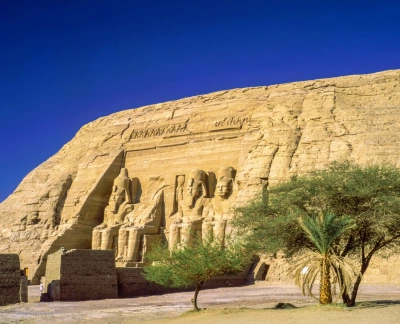
Beyond Egypt's famous pyramids and bustling tourist destinations lies a fascinating corner of Upper Egypt where ancient temples, historic monasteries, and everyday Nile Valley life come together. Welcome to Sohag City, a destination filled with cultural heritage and remarkable archaeological discoveries.
Located along the Nile, Sohag is the capital of a governorate that preserves some of Egypt's most interesting historical landmarks. From the impressive Temple of Seti I at Abydos to the White and Red Monasteries, the region offers an extraordinary journey through different periods of Egyptian history.
This guide explores the best Things to do in sohag, including archaeological attractions, Coptic heritage, local culture, transportation, and practical travel advice.
If you're planning a journey through Egypt's historic destinations, discover Volkena's Egypt Travel Packages for inspiration when organizing your adventure.
Table of content:
Where Is Sohag City Located in Egypt?
Sohag is situated in Upper Egypt, along the Nile River, approximately 470 kilometers south of Cairo. The city serves as the capital of Sohag Governorate, a region known for its agricultural landscapes, ancient settlements, and important archaeological sites.
Unlike Egypt's major tourist centers, Sohag offers visitors an opportunity to experience everyday life in an Upper Egyptian city.
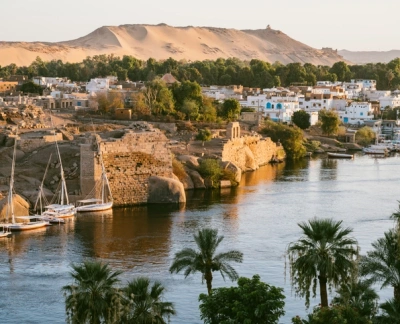
The surrounding countryside features fertile farmland, palm trees, traditional villages, and historic communities whose development has been closely connected to the Nile.
What Makes Sohag Different from Other Egyptian Destinations?
One of Sohag's most interesting characteristics is the diversity of its historical attractions.
The governorate contains monuments associated with the earliest periods of ancient Egyptian civilization, temples from later dynasties, and monasteries that played important roles in the development of Coptic Christianity.
Many famous attractions are outside the city itself, making Sohag a useful starting point for exploring the surrounding region.
Travelers interested in understanding Egypt's broader archaeological heritage can explore Volkena's An Ancient Egypt Travel Guide for additional historical context.
What Are the Best Things to do in sohag?
The region offers an impressive collection of historical and cultural attractions, from ancient temples to remarkable religious buildings.
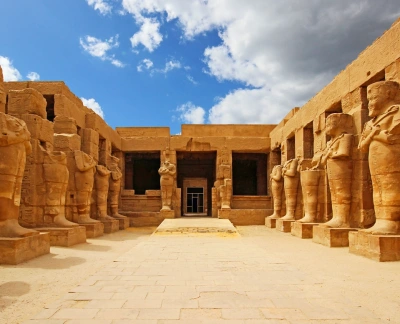
Explore the Temple of Seti I at Abydos
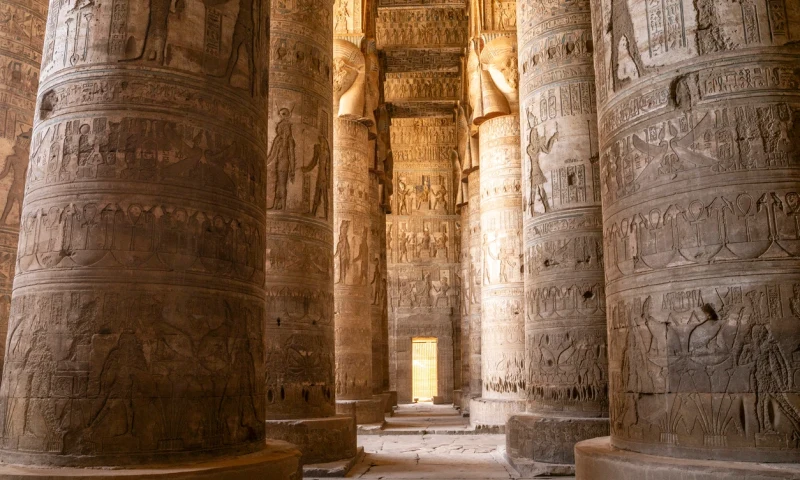
Abydos is one of ancient Egypt's most important religious and archaeological destinations.
Located near Al-Balyana in Sohag Governorate, the Temple of Seti I is especially famous for its beautifully carved reliefs, decorated chambers, and unusual architectural layout.
One of its most significant features is the Abydos King List, which records the names of numerous ancient Egyptian rulers.
The temple was closely associated with the worship of Osiris, the god connected with the afterlife and resurrection.
Discover the White Monastery
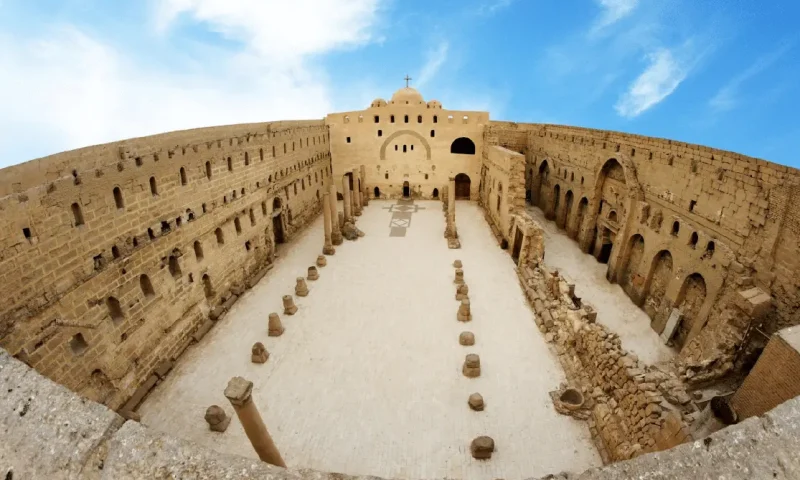
The White Monastery, also known as the Monastery of Saint Shenouda, is one of the most important surviving monuments of early Egyptian Christianity.
Located west of Sohag, it is recognized for its massive limestone walls, distinctive architecture, and association with Saint Shenouda, an influential figure in Coptic monastic history.
Its surviving church illustrates the development of early Christian architecture in Egypt.
Visit the Red Monastery
The Red Monastery is another remarkable religious landmark near Sohag.
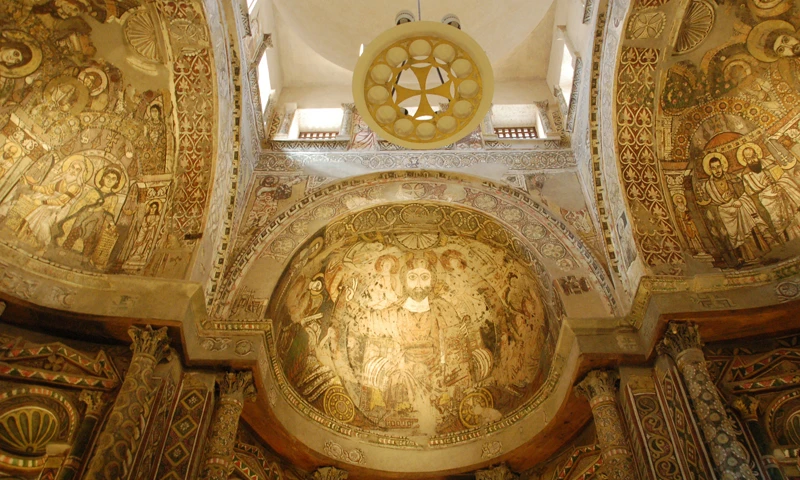
Named after the reddish building materials used in its construction, the monastery is particularly admired for its historical architecture and surviving wall paintings.
Its decorated sanctuary preserves important examples of early Christian religious art.
Visitors interested in exploring more of Egypt's Christian heritage can also read Volkena's Coptic Cairo guide.
What Makes the History and Culture of Sohag City Unique?
Sohag's history extends across thousands of years, connecting ancient Egyptian civilization with Greco-Roman influences and early Christian traditions.
The region's archaeological landscape reveals how different communities developed along the Nile and maintained religious and cultural practices over successive historical periods.
What Can You Discover in Akhmim?
Akhmim, located on the eastern bank of the Nile opposite Sohag, was an important settlement in ancient Egypt.
Today, visitors can explore its open-air archaeological area, where the impressive statue of Meritamun, a daughter of Ramesses II, is among the main attractions.
The area also preserves evidence of ancient religious buildings and other archaeological remains.
Akhmim is additionally associated with traditional textile production, reflecting the region's long history of craftsmanship.
Why Is Sohag National Museum Important?
The Sohag National Museum provides valuable insight into the governorate's archaeological and cultural heritage.
Opened in 2018, the museum presents artifacts associated with different periods of Egyptian history, including ancient religious beliefs and everyday life.
Its collections help visitors understand the connections between the region's archaeological sites and the communities that once lived there.
For travelers interested in discovering Egypt's history from another perspective, Volkena's Egypt Nile Cruises offer inspiration for exploring historical landscapes along the river.
Which Other Archaeological Sites Are Worth Visiting Around Sohag?
Beyond its famous temples and monasteries, Sohag Governorate contains several lesser-known archaeological destinations.
These locations offer opportunities to discover ancient Egyptian history away from the country's most visited monuments.
Explore the Ancient Tombs of El Hawawish
El Hawawish is an ancient cemetery located near Akhmim.
The site contains hundreds of rock-cut tombs dating mainly to the Old Kingdom and First Intermediate Period.
Some preserve inscriptions and decorative scenes illustrating funerary traditions, agricultural activities, and aspects of everyday life.
Exploring accessible areas of the necropolis provides an opportunity to understand how wealthy officials and local communities prepared for the afterlife.
Discover the Archaeological Site of Athribis
Athribis, also known as El Sheikh Hamad, is another important archaeological site west of Sohag.
The ancient settlement contains remains associated with the Ptolemaic and Roman periods, including temples, tombs, and other structures.
Archaeological investigations have uncovered religious inscriptions and artifacts that contribute to understanding the area's history.
Visitors should confirm current access arrangements because excavations and conservation work may affect which parts of the site can be explored.
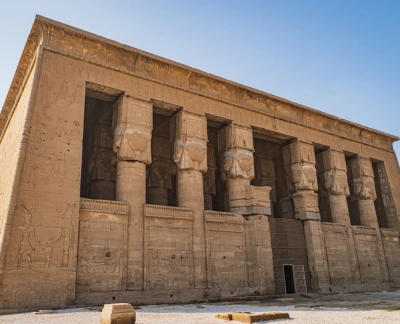
For another example of Egypt's beautifully decorated religious monuments, explore Volkena's Hathor Temple Egypt, located farther south near Qena.
How Can You Travel to Sohag City from Cairo?
Sohag can be reached from Cairo using several transportation options, including rail and road connections.
Its position along the Nile Valley makes it accessible to travelers exploring destinations throughout Upper Egypt.
Can You Reach Sohag by Train?
Train services connect Sohag with Cairo and other cities along the Nile, including destinations farther south.
Journey times depend on the selected service and schedule. Travelers should check current departure times and ticket availability before making arrangements.
Is Sohag Accessible by Road?
Traveling by road is another option, particularly for visitors arranging private transportation or combining several destinations.
Because the distance from Cairo is substantial, travelers should allow enough time for the journey.
Local transportation can also be arranged for visiting attractions outside the city, although distances and access arrangements vary.
How Many Days Should You Spend in Sohag?
Two to three days provide a useful introduction to the city and several surrounding attractions.
One day can focus on the museum, Akhmim, and nearby monasteries, while another can be dedicated to Abydos or additional archaeological sites.
Visitors exploring more of Upper Egypt can also consult Volkena's Luxor Sightseeing guide when planning their journey.
When Is the Best Time to Visit Sohag City?
The most comfortable time to explore Sohag is generally between October and April, when conditions are more pleasant for sightseeing and archaeological excursions.
Spring and autumn are particularly appealing for travelers interested in visiting temples, monasteries, and outdoor archaeological sites.
Summer can bring intense heat, making early sightseeing and careful preparation especially important.
What Should You Know Before Visiting?
Comfortable walking shoes, sun protection, drinking water, and practical clothing are essential for exploring the region's historical landmarks.
When visiting active monasteries and churches, choose respectful clothing and follow local guidance concerning photography and access.
Check opening hours, transportation arrangements, and site accessibility before traveling, particularly for archaeological destinations outside the city.
One of Sohag's greatest attractions is the opportunity to discover Egypt's history while experiencing the character of a living Nile Valley community.
Whether you're admiring ancient temple carvings, exploring early Christian architecture, or enjoying the riverside atmosphere, Sohag offers a rewarding perspective on Egypt beyond its most familiar destinations.
Travelers planning a wider regional adventure can also explore Volkena's Multi Country Tours for additional travel inspiration.
FAQs
1. Is Sohag City Worth Visiting?
Yes. Sohag is worth visiting for its ancient temples, historic Coptic monasteries, archaeological sites, cultural heritage, and Nile Valley scenery.
2. What Is Sohag Most Famous For?
Sohag Governorate is particularly famous for the Temple of Seti I at Abydos, the White and Red Monasteries, and the ancient monuments of Akhmim.
3. How Far Is Sohag from Cairo?
Sohag is approximately 470 kilometers south of Cairo. Travel time depends on the selected road or railway service.
4. What Are the Most Important Historical Sites Near Sohag?
Major attractions include Abydos, the White Monastery, Red Monastery, Akhmim, El Hawawish, and Athribis.
5. How Many Days Do You Need to Explore Sohag?
Two to three days allow visitors to explore several major attractions while enjoying the city's local atmosphere at a comfortable pace.